
![Kotetsu Sujihiki VG-10 Damascus 240mm (9.5") [pakka Wood] -Sharpedge Shop KotetsuSujihikiVG 10Damascus240mm pakkawood 200110161610 2](https://www.sharpedge-shop.com/wp-content/uploads/2025/11/KotetsuSujihikiVG-10Damascus240mm_pakkawood__200110161610_2-100x100.webp "Kotetsu Sujihiki VG-10 Damascus 240mm (9.5\") [pakka Wood] 2")
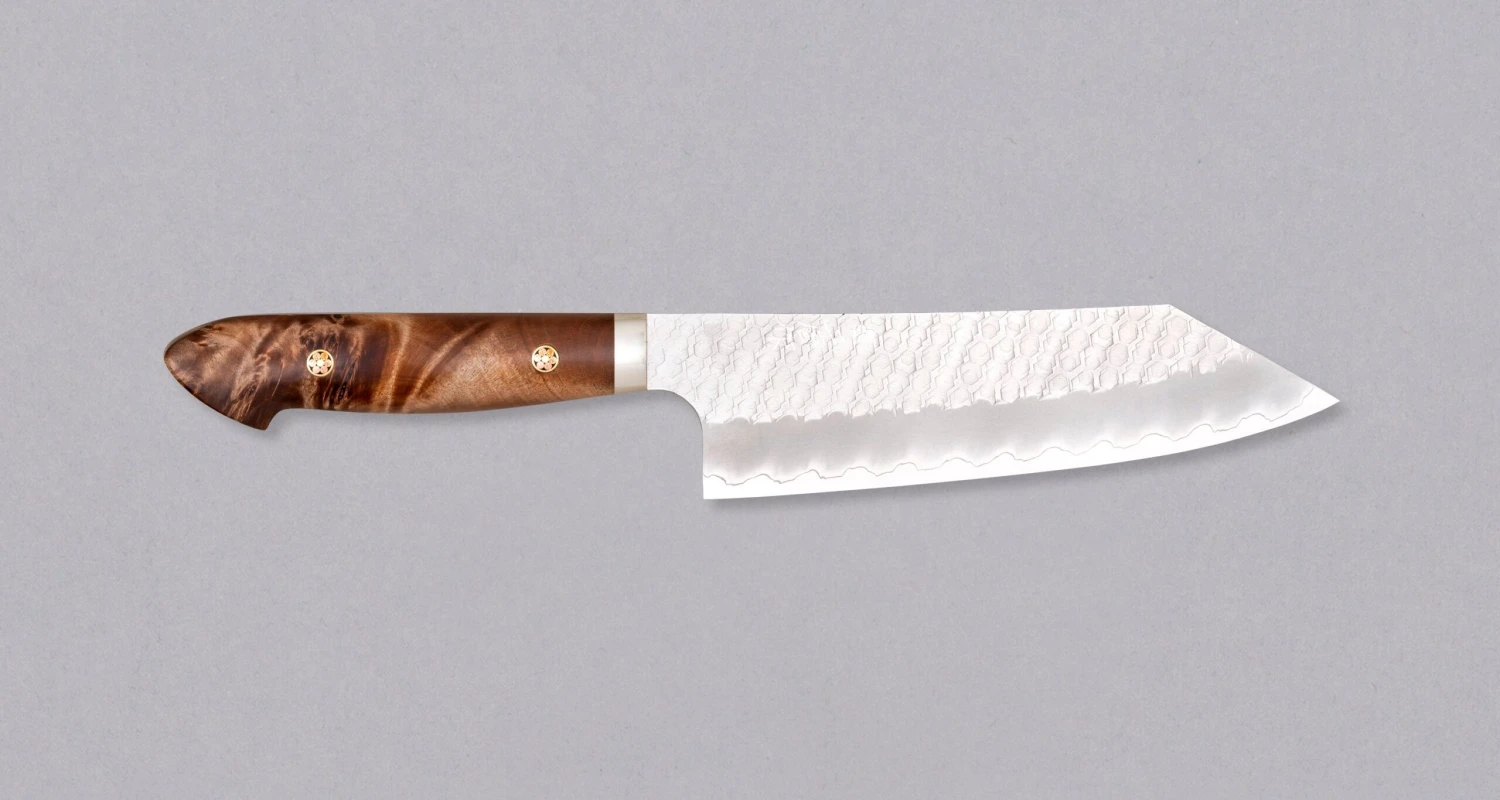
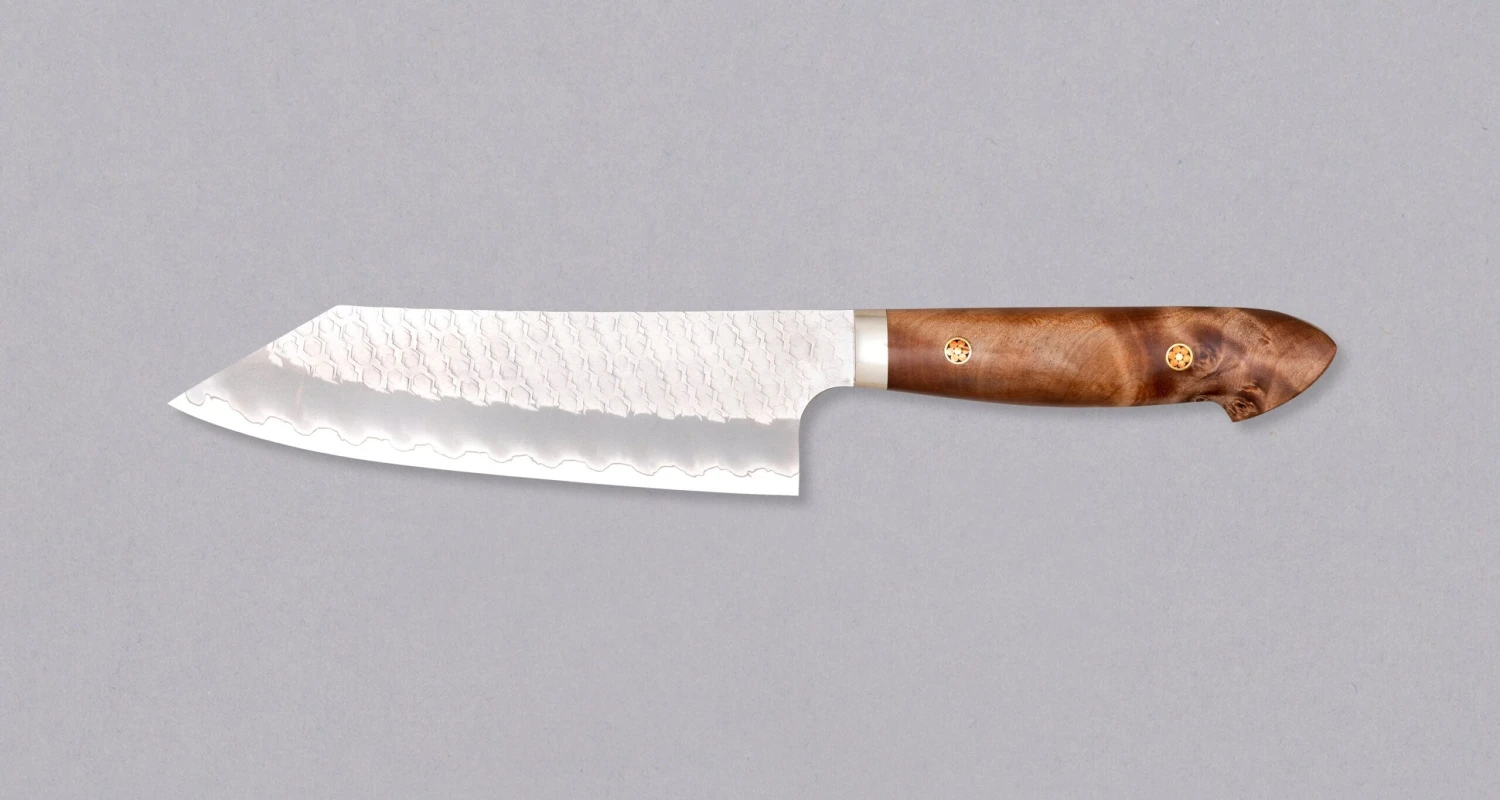
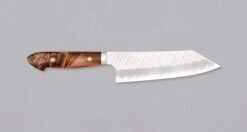
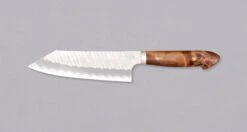

Nigara Bunka SG2 Tsuchime Maplewood 180mm (7.1″)
Original price was: $392.00.$97.99Current price is: $97.99.
- Superior Quality Goods
- Multiple safe payment methods
- Shop the Best Quality Online
- Satisfaction Guaranteed

Nigara Bunka SG2 Tsuchime Maplewood 180mm is a multi-purpose Japanese kitchen knife, suitable for preparing meat, fish and vegetables. Its SG2 powder steel core insures long-lasting sharpness with little to no maintenance, as the steel resists corrosion very well.
It has all the advantages of the traditional bunka blade shape:
→ a gently designed belly of the blade suitable for making either long or short cuts,
→ a flat back side of the blade,
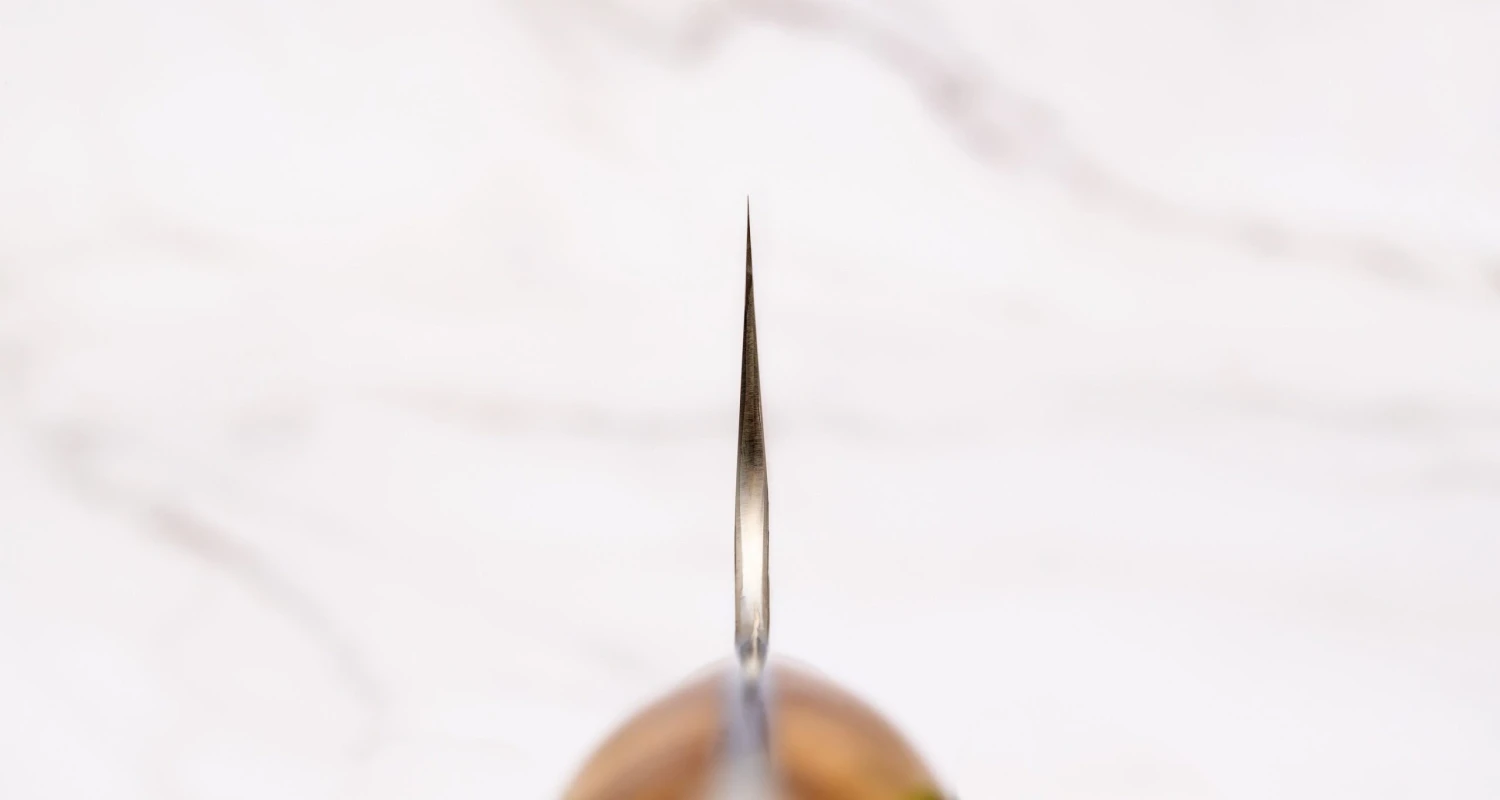
→ and a thin pointy reverse tanto tip for precise cuts and carvings.
The hollow grind geometry of the blade, combined with the unique hammer strokes, ensures that ingredients do not stick to the blade during cutting, allowing for faster and more precise work. Its striking blade features and aesthetics are wonderfully complemented by a Western-style handle crafted from stabilized maple and masterfully crafted hexagonal tsuchime finish on the blade.
BLADE SHAPE:
The 180 mm long bunka is a versatile kitchen knife that excels at all types of chopping and cutting on the cutting board. The blade is finished with a “K-tip” tip, typical of Japanese swords and daggers. Its flat profile allows for efficient chopping and slicing, while the curved edge enables smooth rocking motions for precise mincing and dicing.
*The length of the cutting edge is 165mm (heel to point), but with this knife the length is measured from the edge of the handle to the tip of the blade, amounting to 180mm.
STEEL:
SG2 steel is a powder steel, renowned for its hardness and subsequent edge retention—due to a high carbon (C) content of 1.5%. The steel is also high in chromium (Cr)—around 15%, which adds to corrosion resistance and Molybdenum (Mo) that improves the blade’s wear resistance. SG2 steel blades will be able to achieve a fine sharpness due to the fine microstructure of the steel and will keep it—without having to worry about maintenance and corrosion.
LAMINATION:
A high hardness of around 64 HRC means that the blade won’t be very tough, so the blade’s core was laminated using the san-mai method to improve its structural integrity and subsequent ability to withstand impacts and prevent chipping. San-mai translates to “three layers” in Japanese, referring to a blade that is composed of a primary, inner layer of harder steel (hagane) and of two secondary, outer layers of softer steel (jigane) that protect the prior.
GEOMETRY:
It has a double bevel (symmetrical) blade with convex (full hamaguri) grind. Hamaguri grind allows superior sharpness that requires delicate handling and helps to prevent food from sticking to the blade. Such a shape keeps a lot of metal behind the edge and makes for a stronger edge, yet it still allows a good degree of sharpness. The downside to a convex grind is that it is very hard to reproduce by anyone other than a very experienced sharpener.
BLADE FINISH:
The surface of the blade was treated with a special textured hammer, leaving complex geometric impressions on its upper part. The Japanese hexagon hammered finish on knives is a stunning technique that involves skillfully hammering the blade’s surface to create captivating hexagonal indentations.
| In Japan, the hexagon is prized for its aesthetic appeal and structural stability in traditional arts, crafts, and architecture. It is found in various artistic forms and is also used in the design of Shinto torii doors and modern buildings. The hexagonal shape of the kasagi in torii doors represents the belief in strength and stability associated with the number six. |
The tsuchime surface helps to reduce friction and prevents food from sticking to the blade during cutting. The textured surface creates small air pockets which allow for smoother and more precise cutting.
HANDLE:
The knife features a classic Western-style (Yo) handle crafted from exceptionally dense and durable maple wood. To enhance grip and balance, a stainless steel bolster is incorporated. The handle’s luxurious appearance is further elevated by two mosaic pins in copper and brass, providing an exquisite touch.
Each handle showcases captivating swirls and patterns, making it truly unique. Through the stabilization process, the handle’s durability and resistance to moisture are enhanced, ensuring its pristine condition throughout its lifetime.
The handle is designed to provide an ergonomic grip that adapts perfectly to the contours of your hand. Its larger size and thoughtfully shaped profile ensure optimum comfort and control, making it easy to maneuver the blade. The stabilized maple wood handle is more than just a functional component – it adds a touch of sophistication to the overall aesthetic of the knife.
BLACKSMITH:
Nigara Hamono has a 350-year history, making swords since the Edo period. Head blacksmith Tsuyoshi Yoshizawa, who works alongside his father Toshi Yoshizawa, is an eighth generation blacksmith with a passion for art and music as well as knives, and his famous Nigara Anmon design is the result of his love of Andy Warhol’s artwork. Nigara is easily one of the most special knife makers in Japan.
Be the first to review “Nigara Bunka SG2 Tsuchime Maplewood 180mm (7.1″)”
Related products

![Kotetsu Gyuto VG-10 Damascus 210mm (8.2") [pakka Wood]](https://www.sharpedge-shop.com/wp-content/uploads/2025/11/KotetsuGyutoVG-10Damascus210mm_8.2_pakkawood__200103121609-247x132.webp)
Reviews
There are no reviews yet.